
Standard industrial solenoid valves can remotely control the flow of fuel, gas, steam, and other media in systems such as industrial machinery. These valves are available in various types, such as 2-way and 3-way, with different operating modes. This article discusses the features that make solenoid valves suitable for harsh environments, how to choose the right materials, and other selection criteria.
At LDA Belgium, we understand these challenges better than anyone else. For over 60 years, we have been supplying standard solenoid valves for fluid applications that meet the most stringent requirements across a wide range of industries. Whether it’s water treatment, chemical dosing, or oil and gas control, our solutions are designed to prevent downtime and optimize processes.
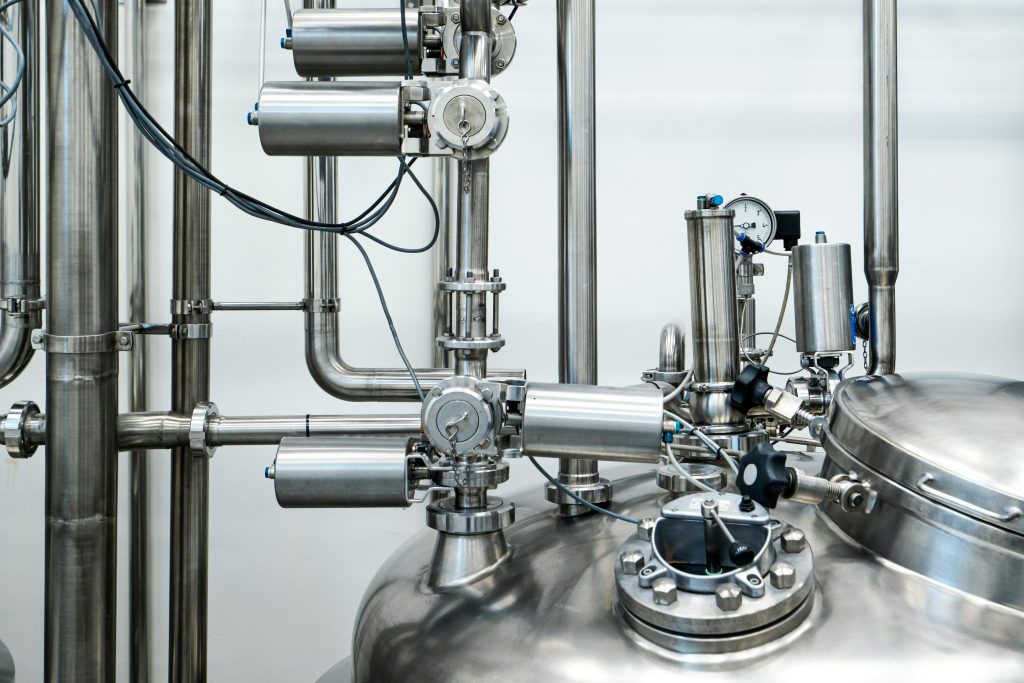
Standard solenoid valves for fluid-handling applications
Solenoid valves are used today in a wide range of industrial applications where reliable control of liquids and gases is essential. They play a key role in the process industry, pharmaceutical facilities, chemical processing, water treatment, cryogenic applications, OEM machinery manufacturing, and general industrial automation.
In this environment, solenoid valves ensure the safe and efficient control of media such as water, steam, compressed air, process gases, chemicals, corrosive liquids, and cryogenic media.
In practice, they often serve as fast and reliable on/off controls within automated processes. They help prevent leaks, enhance process safety, and contribute to precise flow control, stable production processes, and lower maintenance costs.
Standard solenoid valves for liquids
For general industrial applications, the SLP series 2/2-way solenoid valve is an excellent choice. Available in sizes ranging from 1/8” to 2”, these valves offer a balance between performance and affordability. The SLP series is designed for versatile use across various sectors, including automation, pneumatic systems, and fluid control.
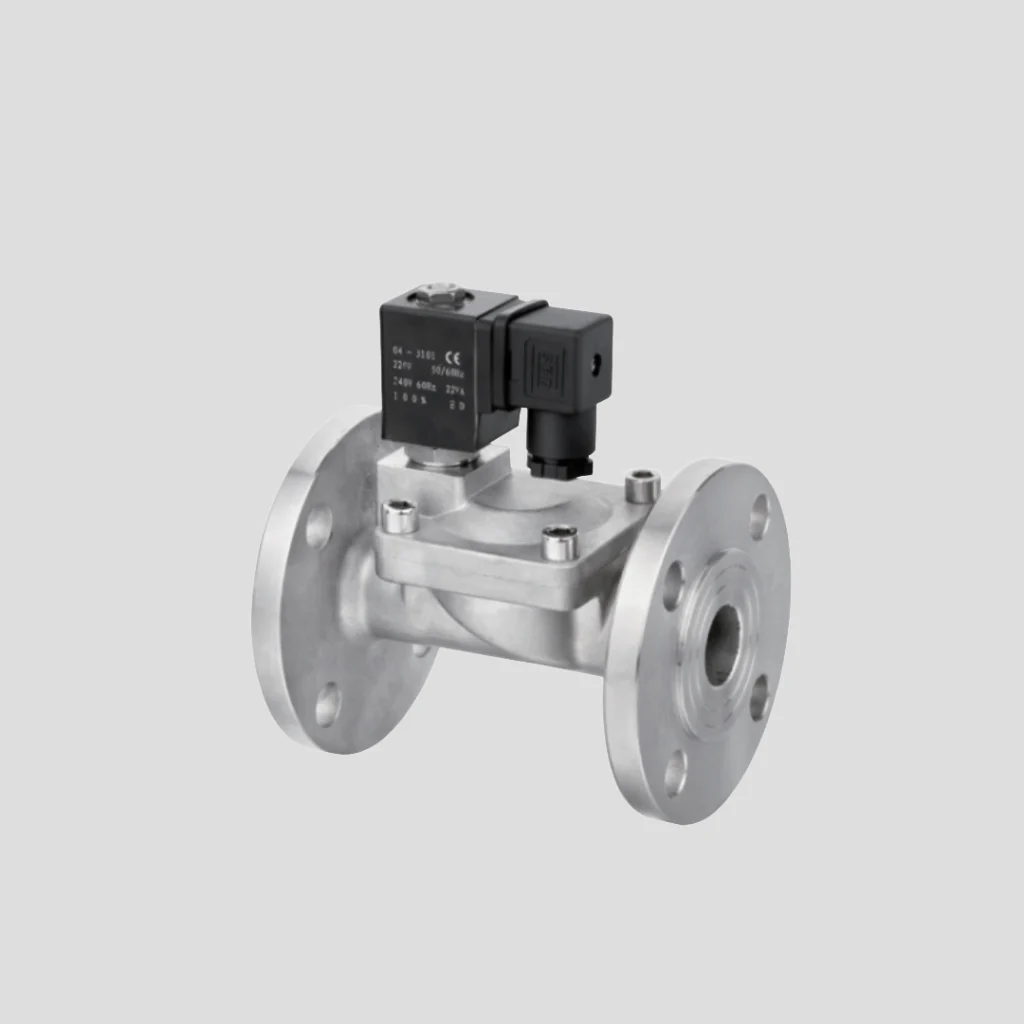
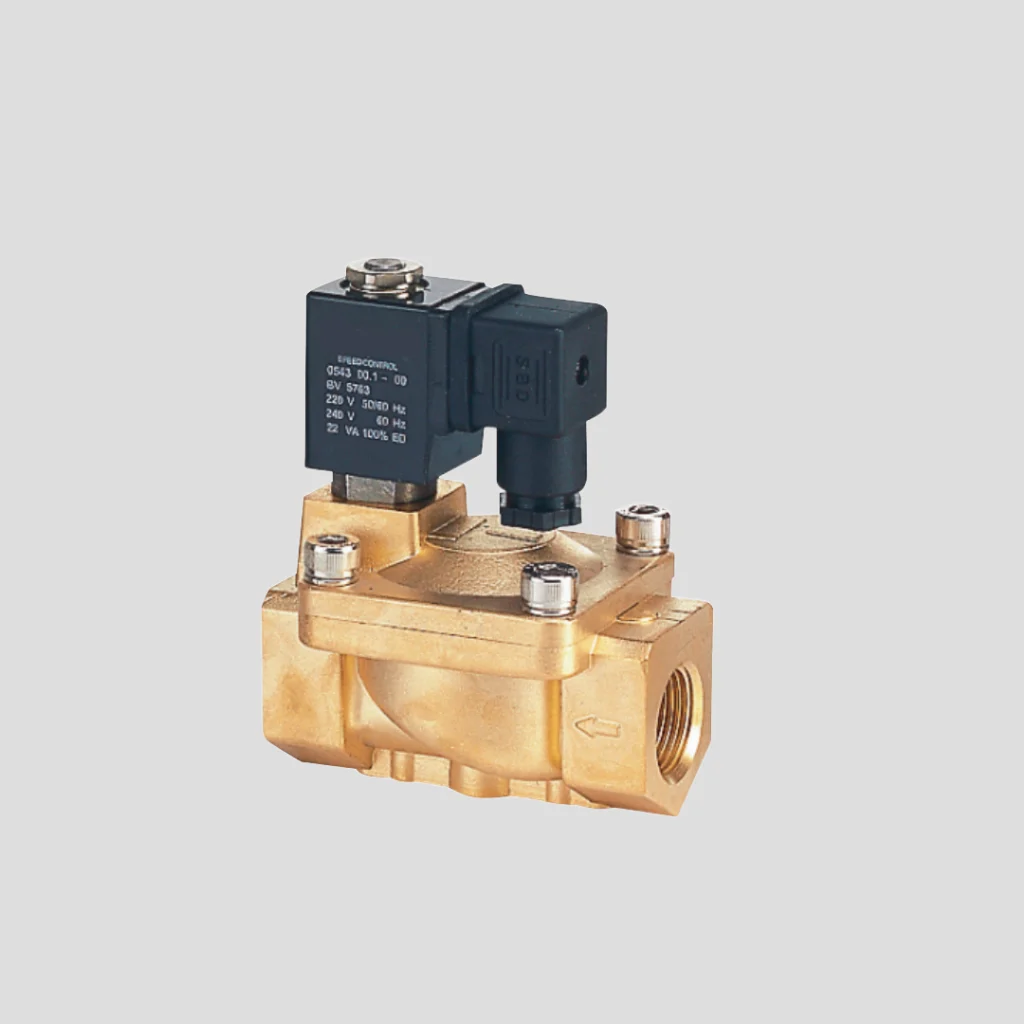
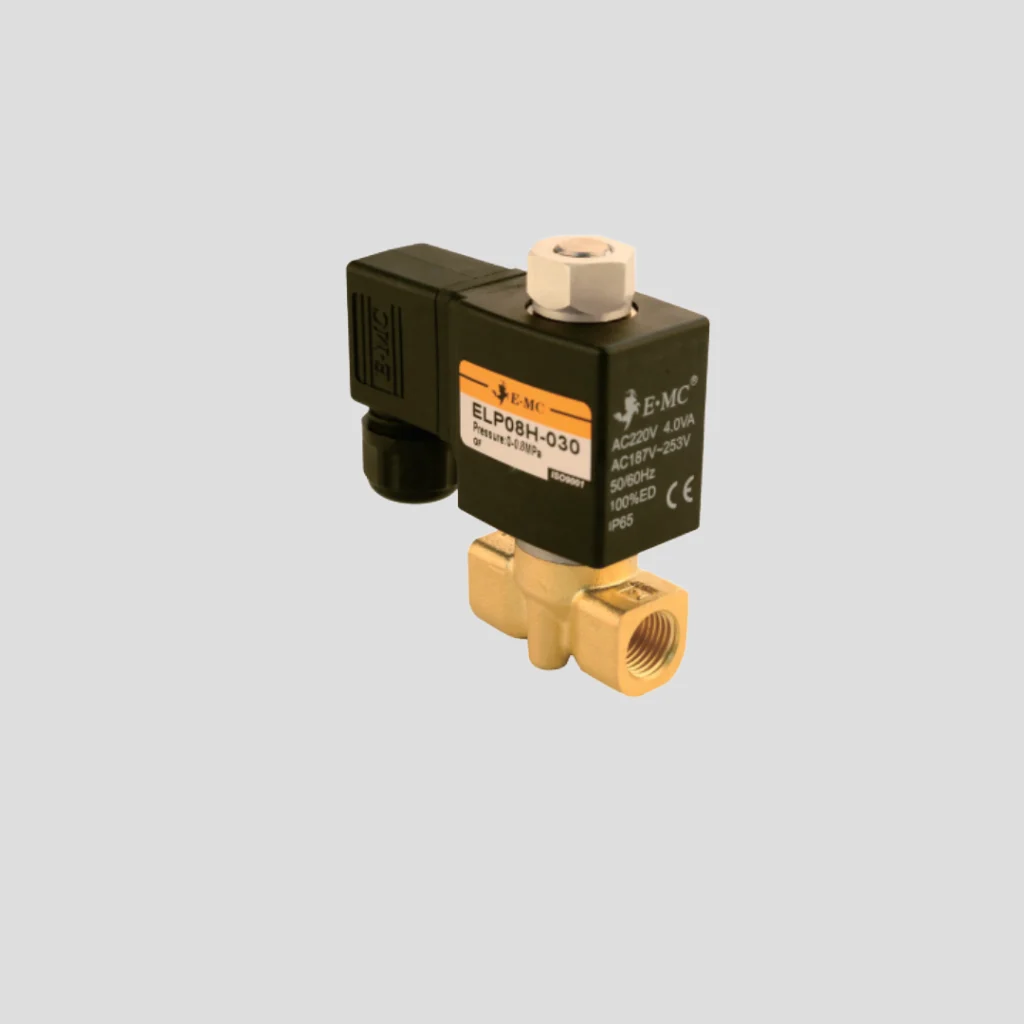
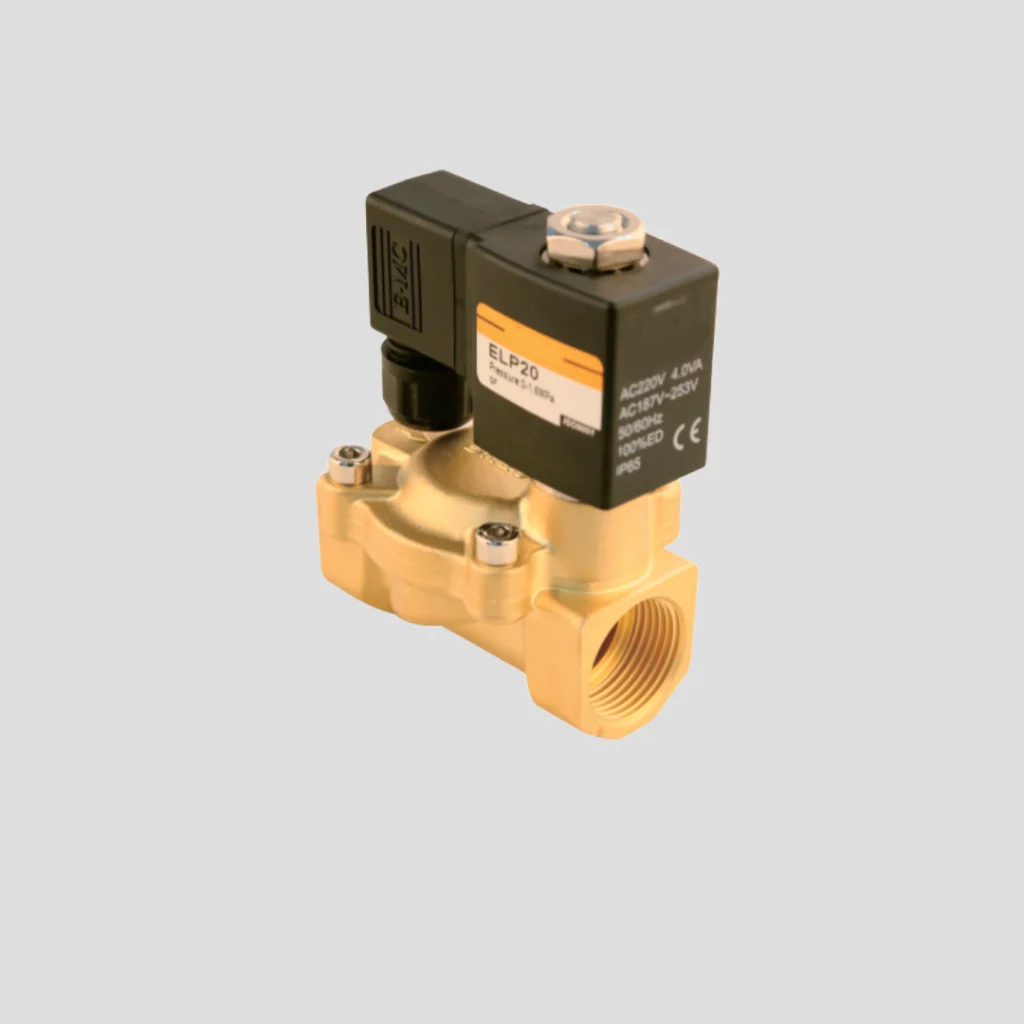
The ELP series has been specially developed for applications with limited installation space. Available in both Normally Closed (NC) and Normally Open (NO) versions, this series offers maximum flexibility. Whether for water treatment or chemical dosing, the ELP series delivers reliable performance in harsh industrial environments.
Thanks to their robust construction and high-quality materials, these valves can withstand high pressures and aggressive media, making them suitable for a wide range of applications in mechanical engineering, automation, and the process industry.
Selection of materials
Selecting materials that are suitable for the application is essential:
- Common valve body material: Brass is often chosen for its durability and corrosion resistance.
- Common sealing materials: NBR (nitrile rubber) is often used because of its excellent resistance to oils and fuels. FKM is suitable for oil applications because it offers a balance between fluid temperature and viscosity changes with temperature.
Selection criteria
In addition to the material, consider these factors when selecting the right solenoid valve for fuel, oil, gas, or propane applications:
- Explosion-proof: The coil or housing must be explicitly specified to prevent an explosion from occurring at the valve. There are several classification standards for hazardous environments, such as NEMA (U.S.), ATEX (Atmosphères Explosibles, EU), and IEC Ex (global).
- Thread size: Ranging from 5/64 inch to 2 1/2 inches and 2 mm to 63 mm, including specific sizes such as SFB, UNF, and metric threads (including M5 and M33 x 2).
- Connection type: Options such as flange, glued/welded socket, hose barb, male and female threads (BSPT, NPT, BSPP, UNF, and metric), push-in, and special connections (such as Burkert cartridge and flange type 6240).
- Normally Closed vs. Normally Open: A solenoid valve can be NC or NO depending on what needs to happen in the event of an emergency stop. If the flow needs to be shut off, choose NC. NC is closed when de-energized; NO is open when de-energized.
- Response time: Response time is particularly important for flammable fuels and oils. Direct-acting sensors have a response time of ~30 ms; indirect-acting sensors can take up to 1000 ms or more. This varies by manufacturer and model.
- Power supply for the solenoid coil: Operates on AC or DC; see “Selecting an AC or DC Coil.”
Would you like to make your system more reliable with high-quality fluid control valves or 2/2-way solenoid valves? Explore LDA Belgium’s product range or contact us for customized technical advice.